Lighted Balloon Stands can look very different at an afternoon reception and at the same event after sunset. In daylight, the printed surface and the surrounding architecture do most of the visual work. After dark, the illuminated globe becomes a stronger focal point. That change is worth considering when an event runs across both periods, or when the photographs will be taken under lighting that differs from the initial setup.
This article looks at the display through its environment: a bright courtyard, a warm hotel corridor, an exhibition hall and an evening outdoor setting. The examples show real installations rather than a promise that every venue will produce the same effect. The aim is to help you describe the appearance you want when discussing a lighted balloon stand with AirGuru.
Lighted Balloon Stands in daylight: look beyond the glow
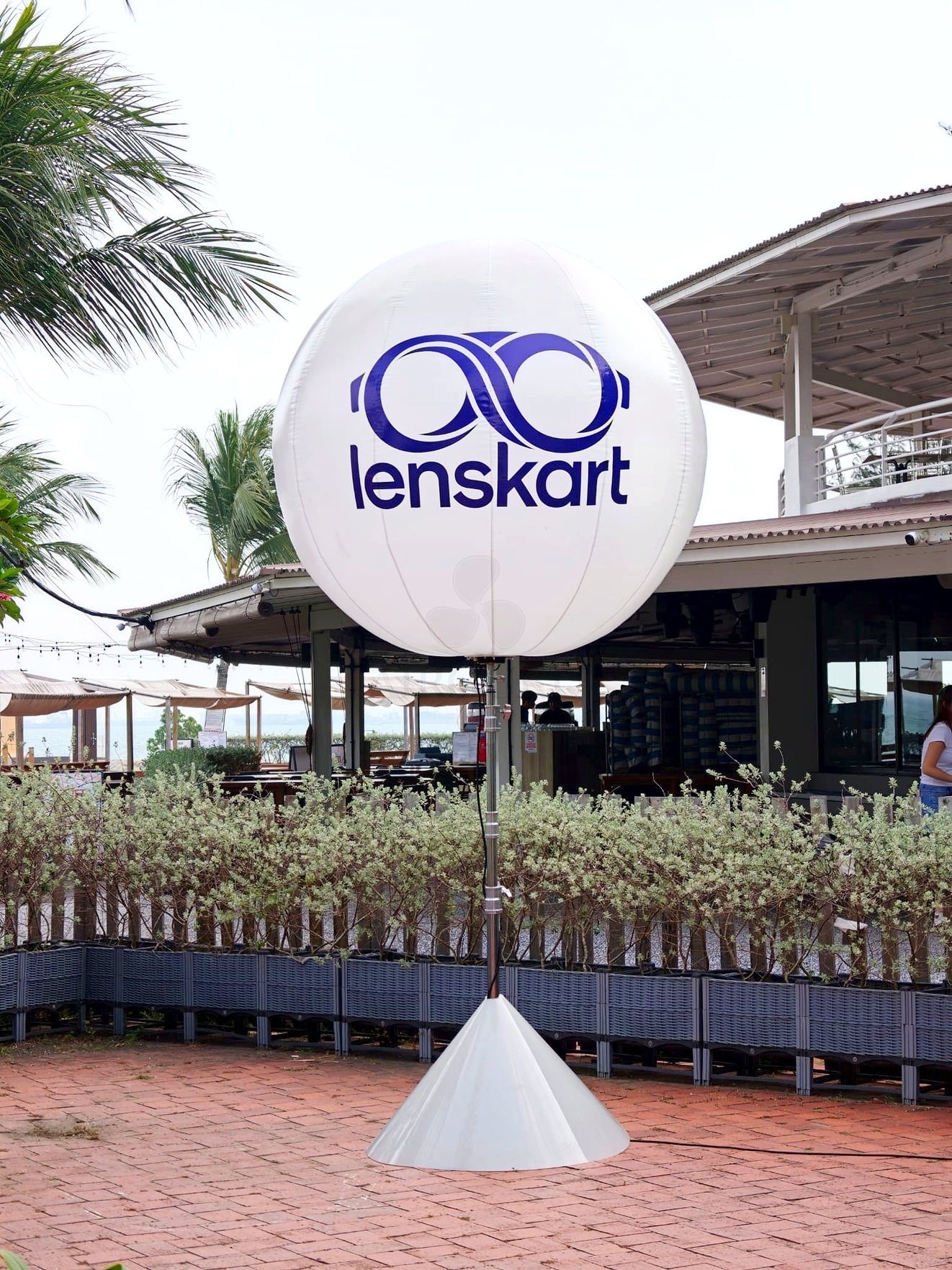
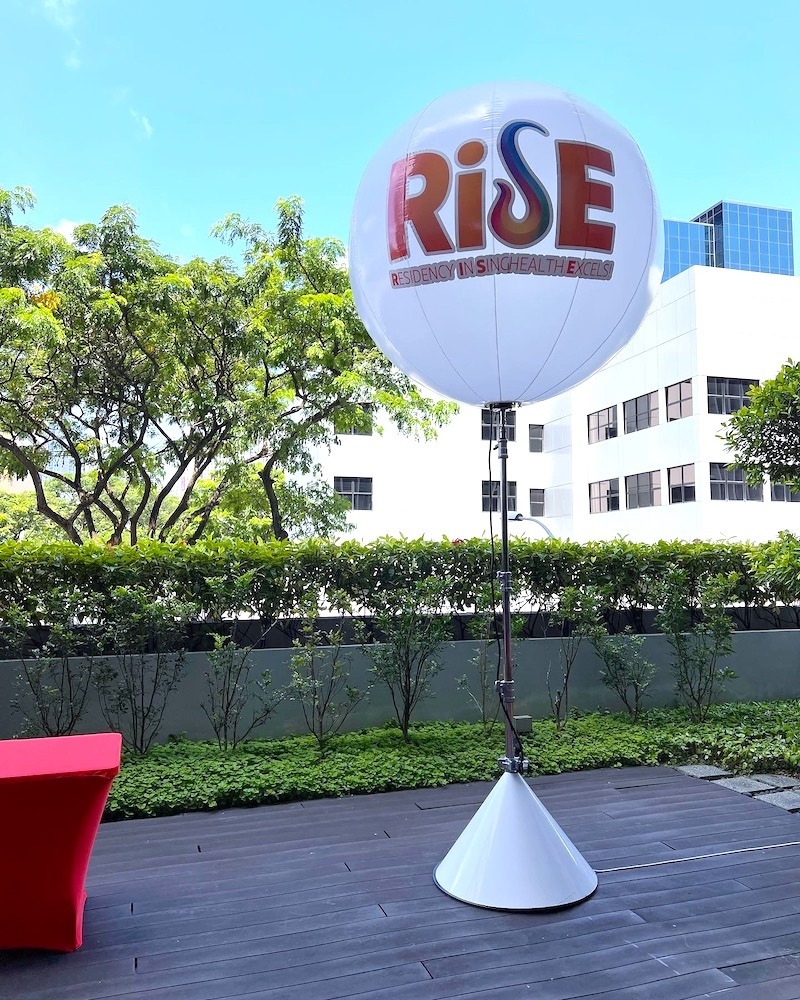
An illuminated balloon does not need a dark room to be useful. During the day, its rounded outline can distinguish it from rectangular banners, screens and booth panels. The white Lenskart example stands against trees, paving and a building frontage. The shape and printed logo are visible even though the surroundings are bright.
For a daytime brief, provide a photograph of the intended background at roughly the time guests will arrive. A pale wall, a window and a leafy courtyard are three different backgrounds. A display that looks clear against greenery may blend into a very bright window in a phone photograph. Describe whether the image should include the whole stand, the surrounding event or a close view of the branding.
Do not use an evening reference photograph as the sole expectation for an afternoon installation. Ask to see comparable daytime examples. This makes the visual discussion more concrete and helps separate the physical appearance of the balloon from the atmosphere created by darkness.
Warm indoor lighting changes the surrounding scene
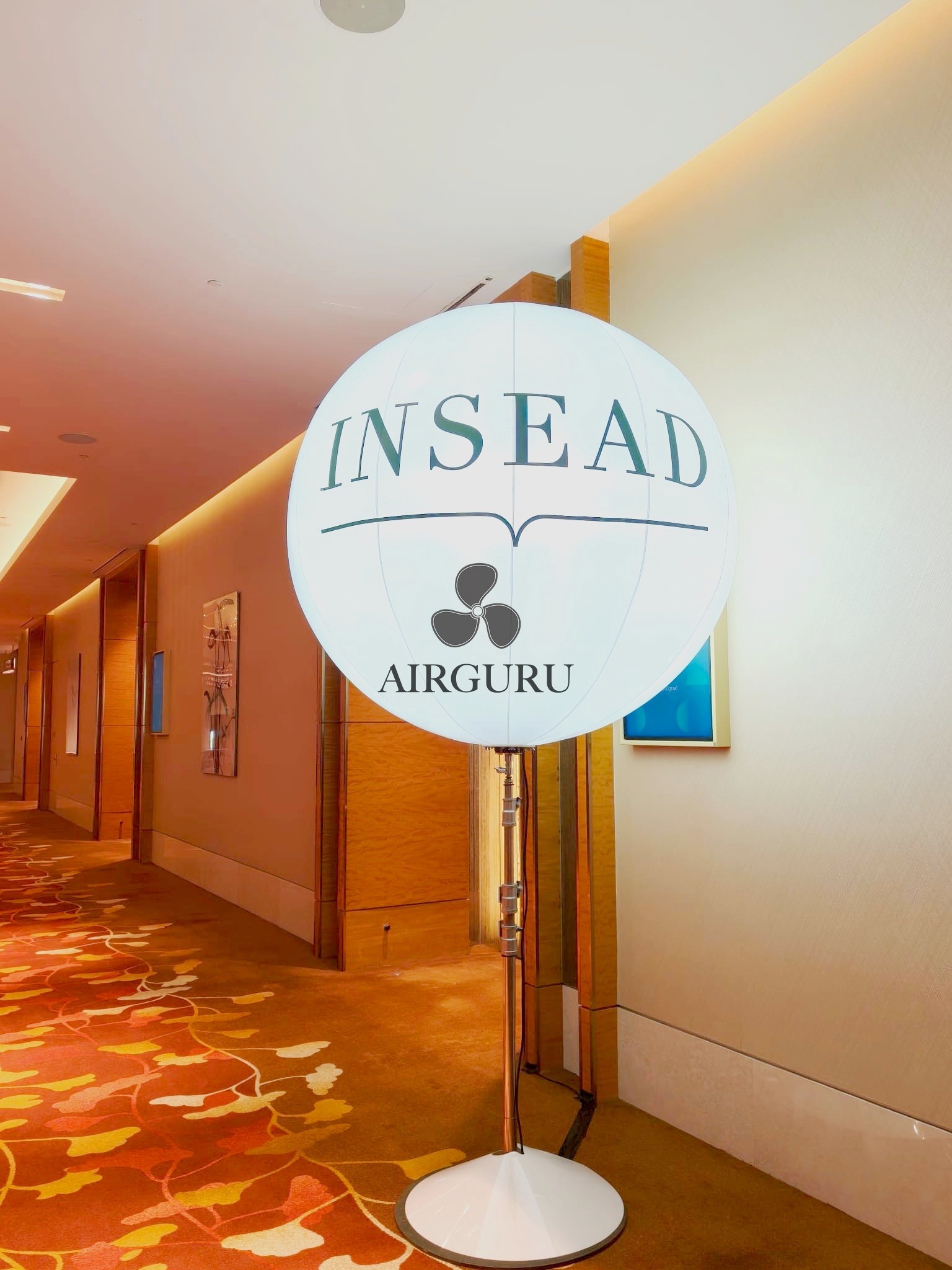
Hotel corridors often combine warm ceiling lights, patterned carpets and reflective wall finishes. The INSEAD example shows a white balloon within that warmer setting. The contrast comes partly from the surroundings, not simply from the balloon itself. A neutral-looking display can appear warmer or cooler in photographs as the camera adjusts to the room.
If your event has a photographer, share the reference with them as well as the equipment team. Ask for a test frame that includes both the branding and a person standing nearby. A bright globe and a face can require a different photographic exposure from an empty-room equipment shot. The test should answer whether both subjects remain readable in the intended composition.
For events that move between a lobby and a ballroom, review the two rooms separately. Their colours and light levels may differ even when they are only a doorway apart. A consistent display design can still produce two quite different photographs.
Exhibition halls: keep the backdrop in the picture
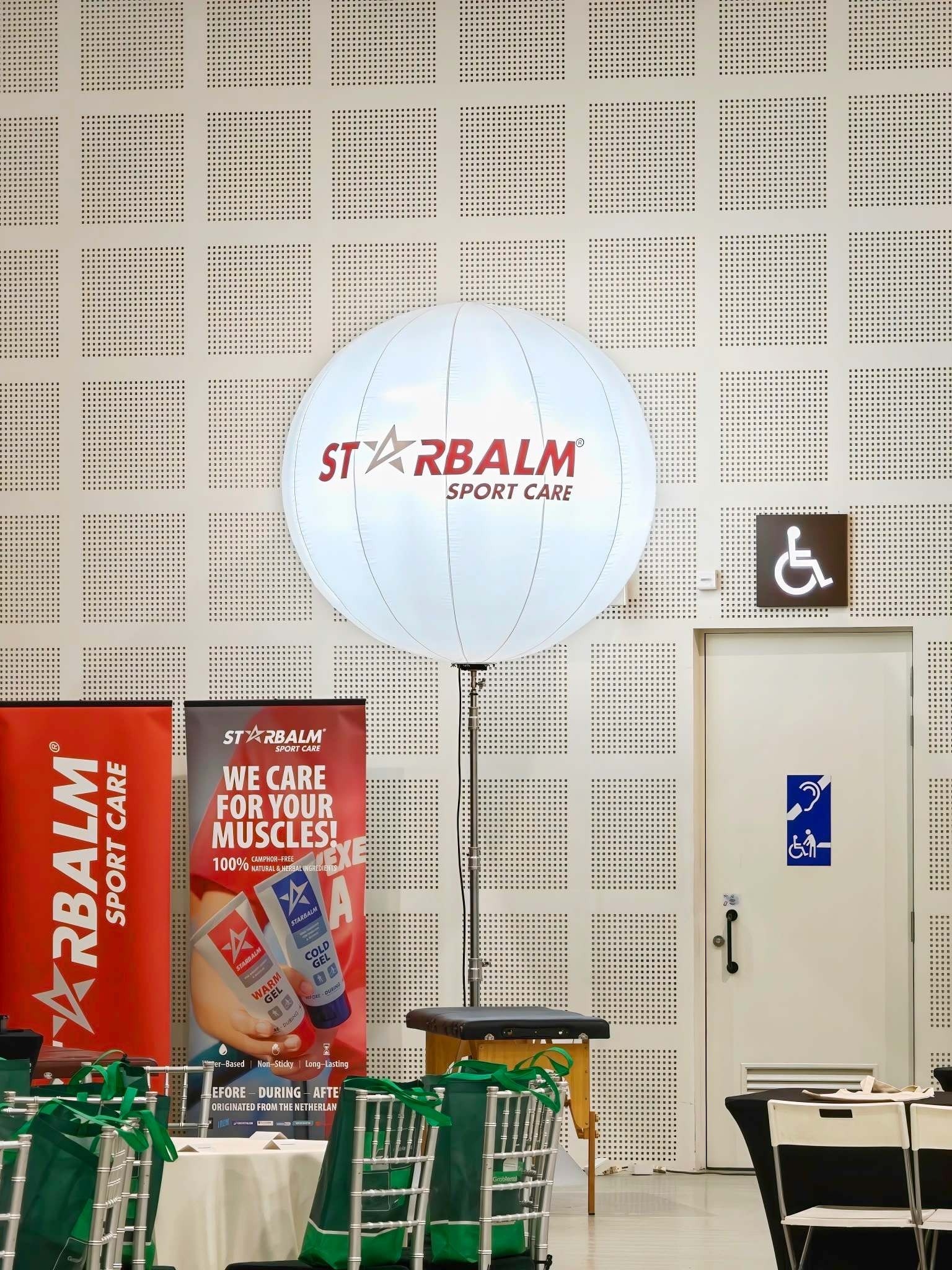
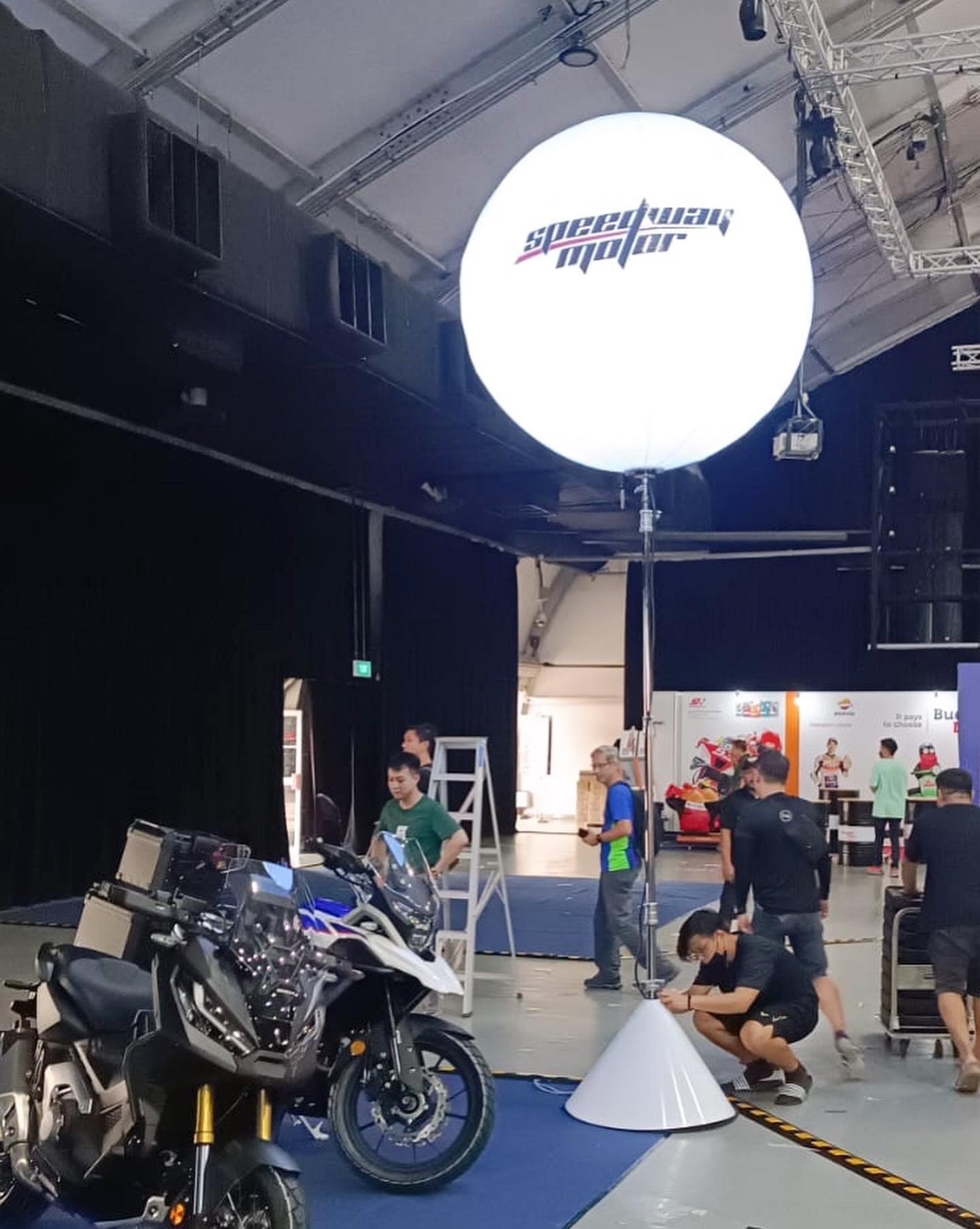
An exhibition photograph rarely contains only one display. Wall panels, counters, products and neighbouring stands all appear in the frame. The Starbalm installation illustrates how an elevated balloon sits above a smaller table display. In the vehicle examples below, the balloon shares the scene with much larger objects.
When reviewing a reference, notice what sits behind the globe. A plain wall leaves a different impression from a ceiling filled with structural lines or a brightly lit screen. Instead of asking only whether the balloon is bright enough, decide what the complete photograph should communicate: a product demonstration, a sponsor presence or the overall scale of an exhibition area.
AirGuru’s advertising lighted balloon stand service is the relevant starting point for discussing the equipment. Send the hall photograph with your proposed artwork so the conversation includes the setting as well as the logo file.
After sunset, review the surrounding light as well
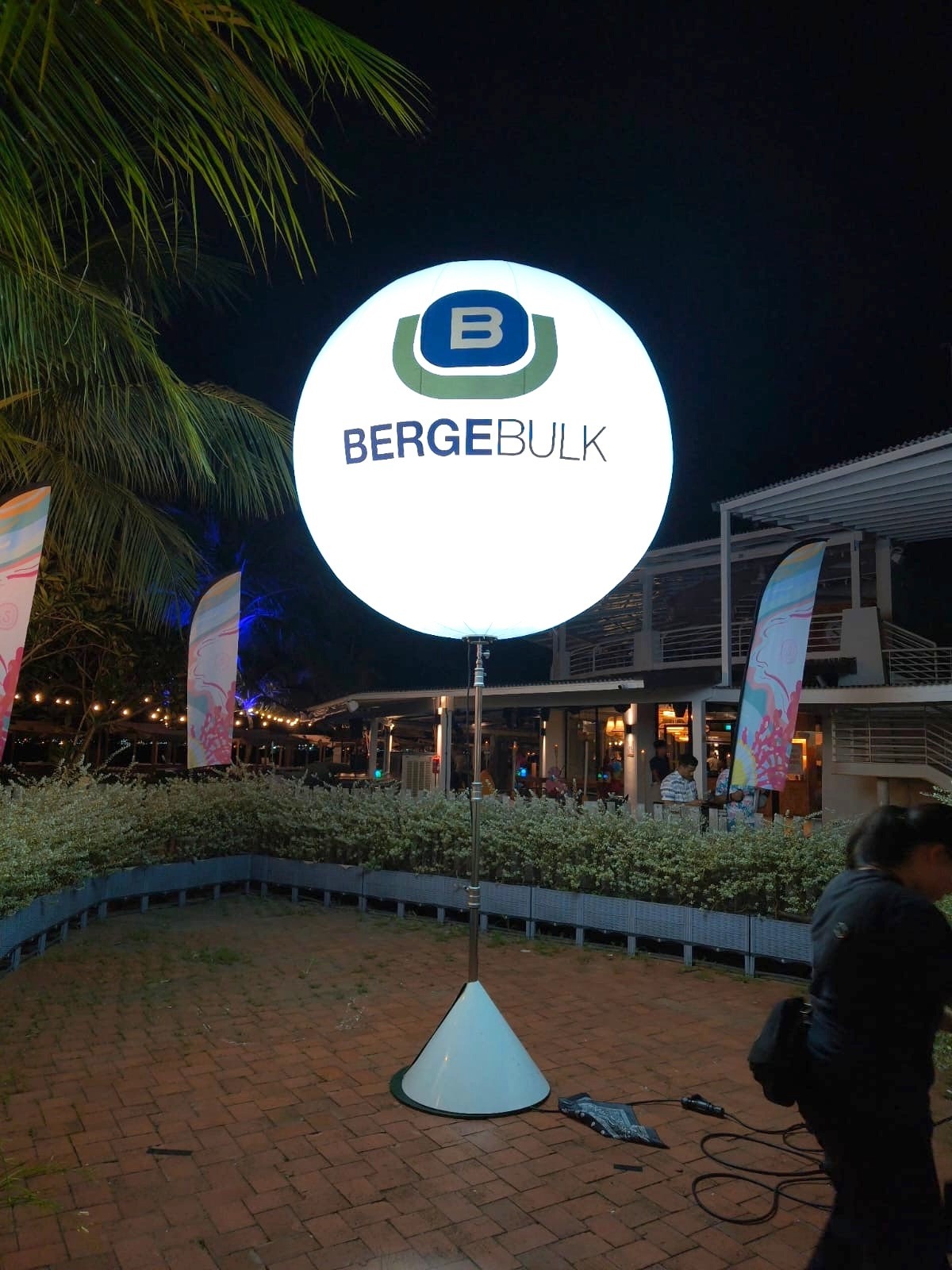
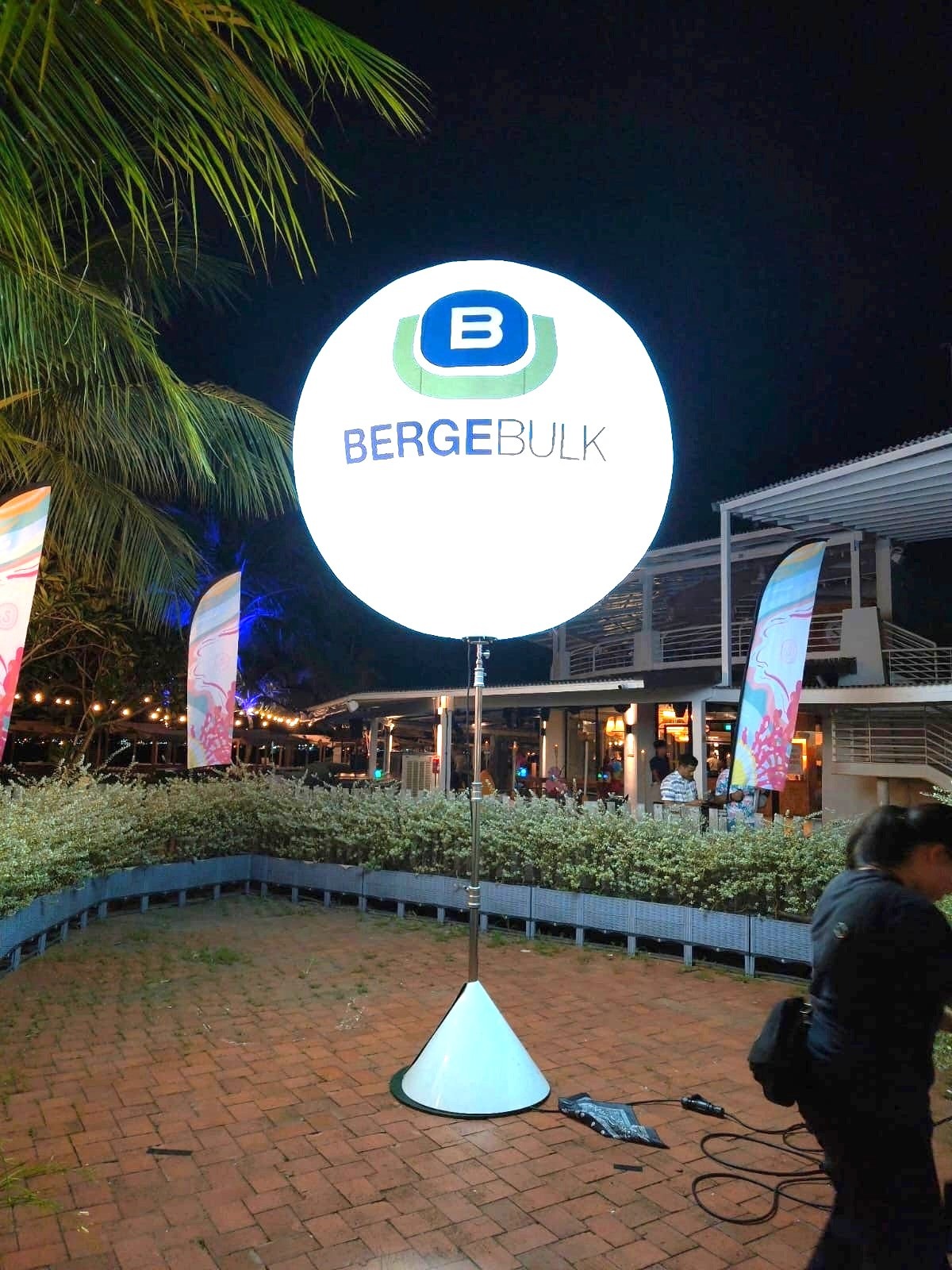
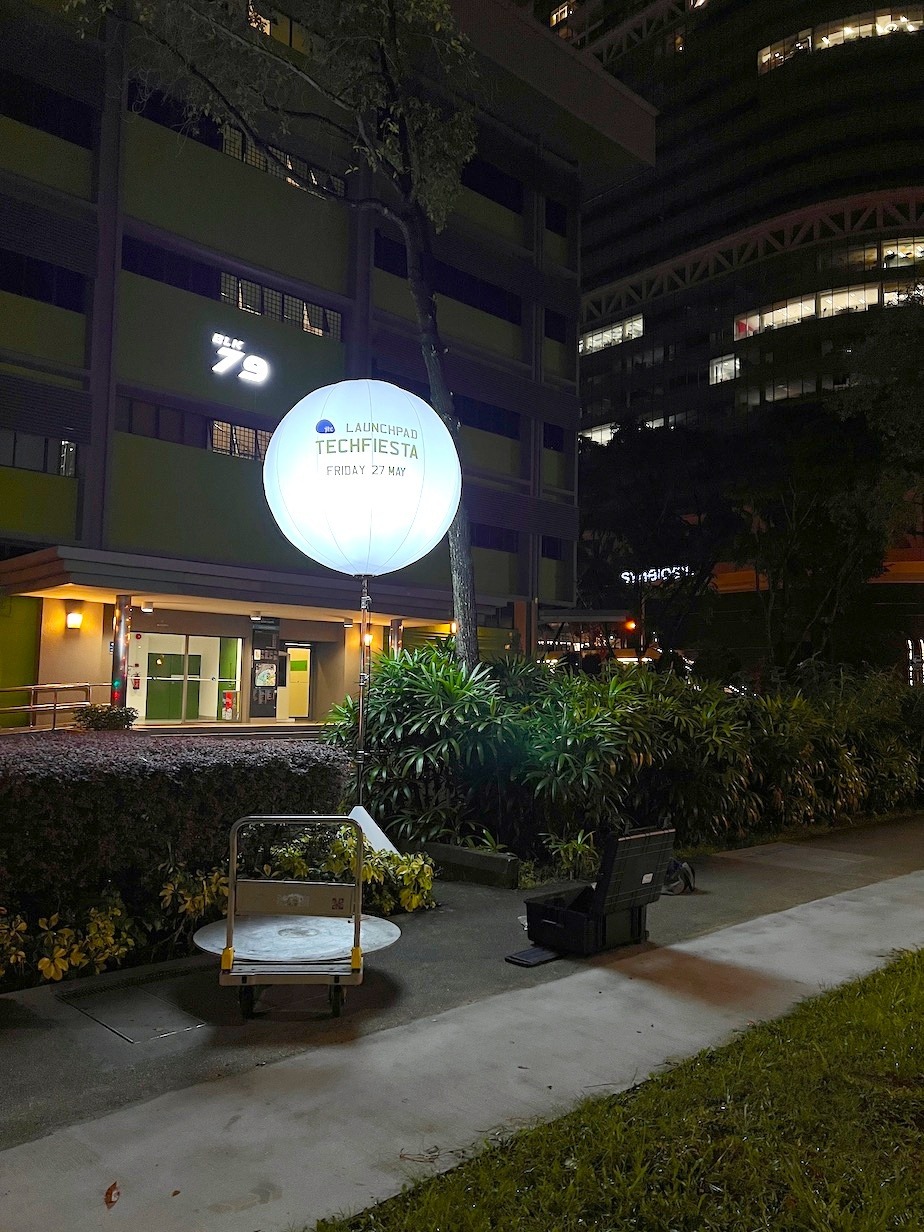
The Techfiesta and Berge Bulk photographs show illuminated globes within outdoor evening scenes. Buildings, planting and nearby event lights remain part of the composition. A dark sky can make the globe stand out, but a very bright photograph may lose lettering or surface detail. The most useful reference is one where the message and the atmosphere can both be seen.
Where an event begins before sunset, arrange a second visual check after the surrounding light changes. Use the actual guest viewpoint and an ordinary phone camera in addition to any professional camera test. This is a practical way to see the sort of image guests may take home or share.
Avoid assuming that a lighted display will illuminate the entire venue. Discuss the balloon as a display element and review general event lighting separately. The required result might be a recognisable brand marker within an evening scene, rather than a brightly lit activity area.
Event lettering deserves a separate night photograph
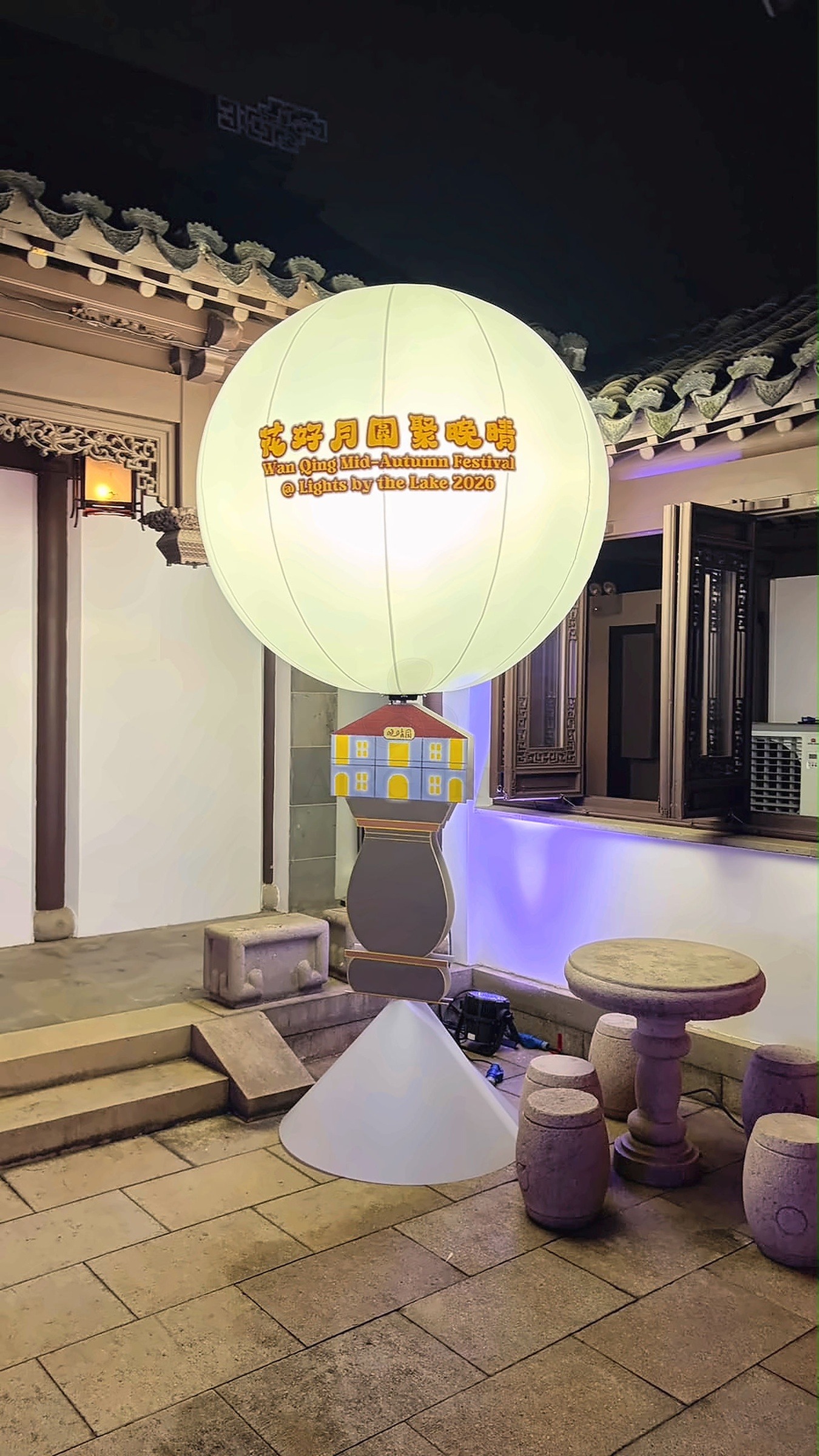
A logo with a simple outline and a longer event message place different demands on the photograph. The temple entrance example contains several lines of lettering. It is useful to inspect a closer frame as well as a wide view of the entrance, because a message that is visible in person may become small in a photograph of the whole setting.
Send the final artwork before agreeing on the photographic reference. Explain which words need to be legible in the image and which are supporting details. If your event requires both a wide establishing photograph and a close branding photograph, plan those as separate shots. One frame does not have to do every job.
Compare real settings before choosing your reference
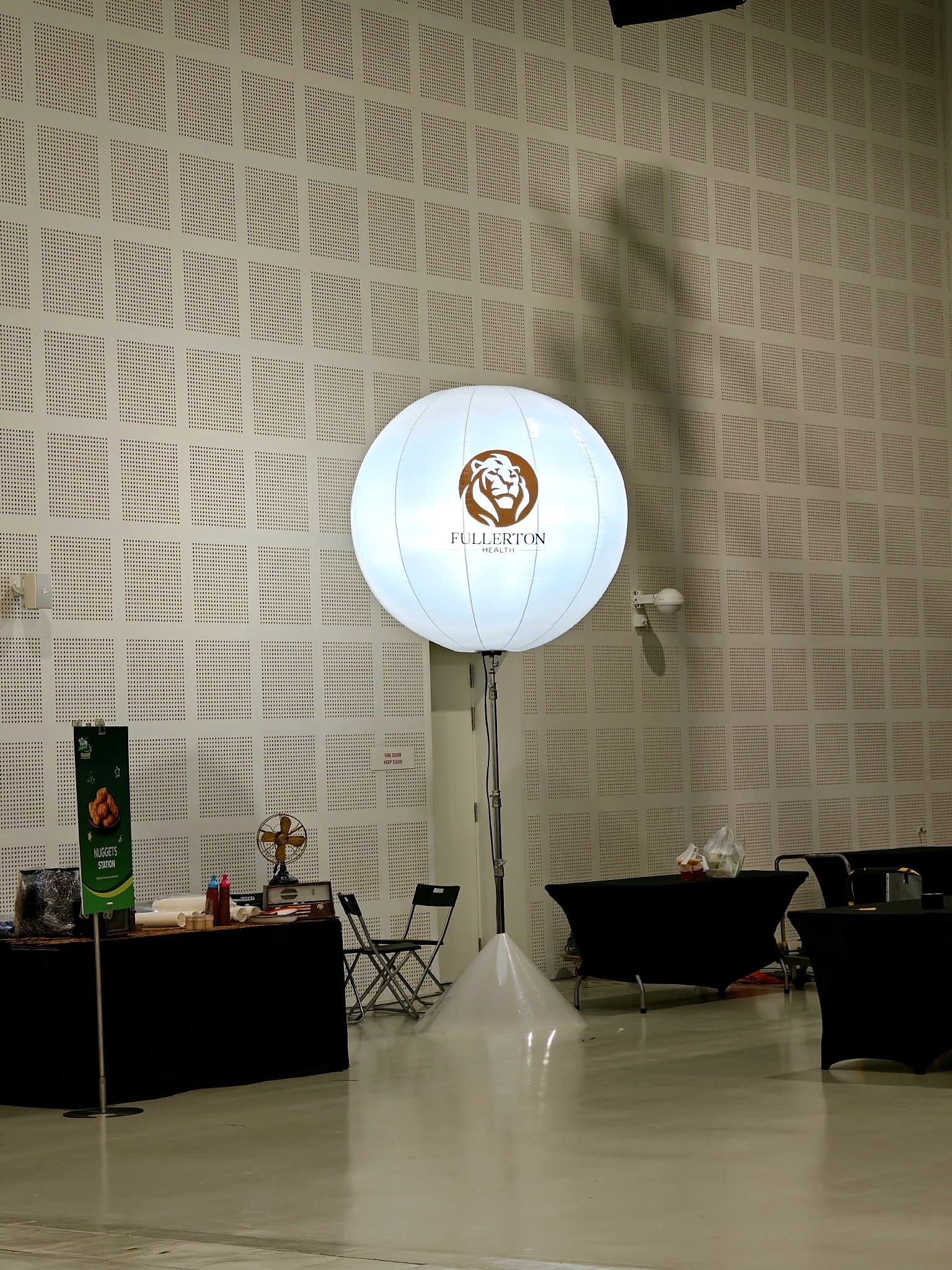
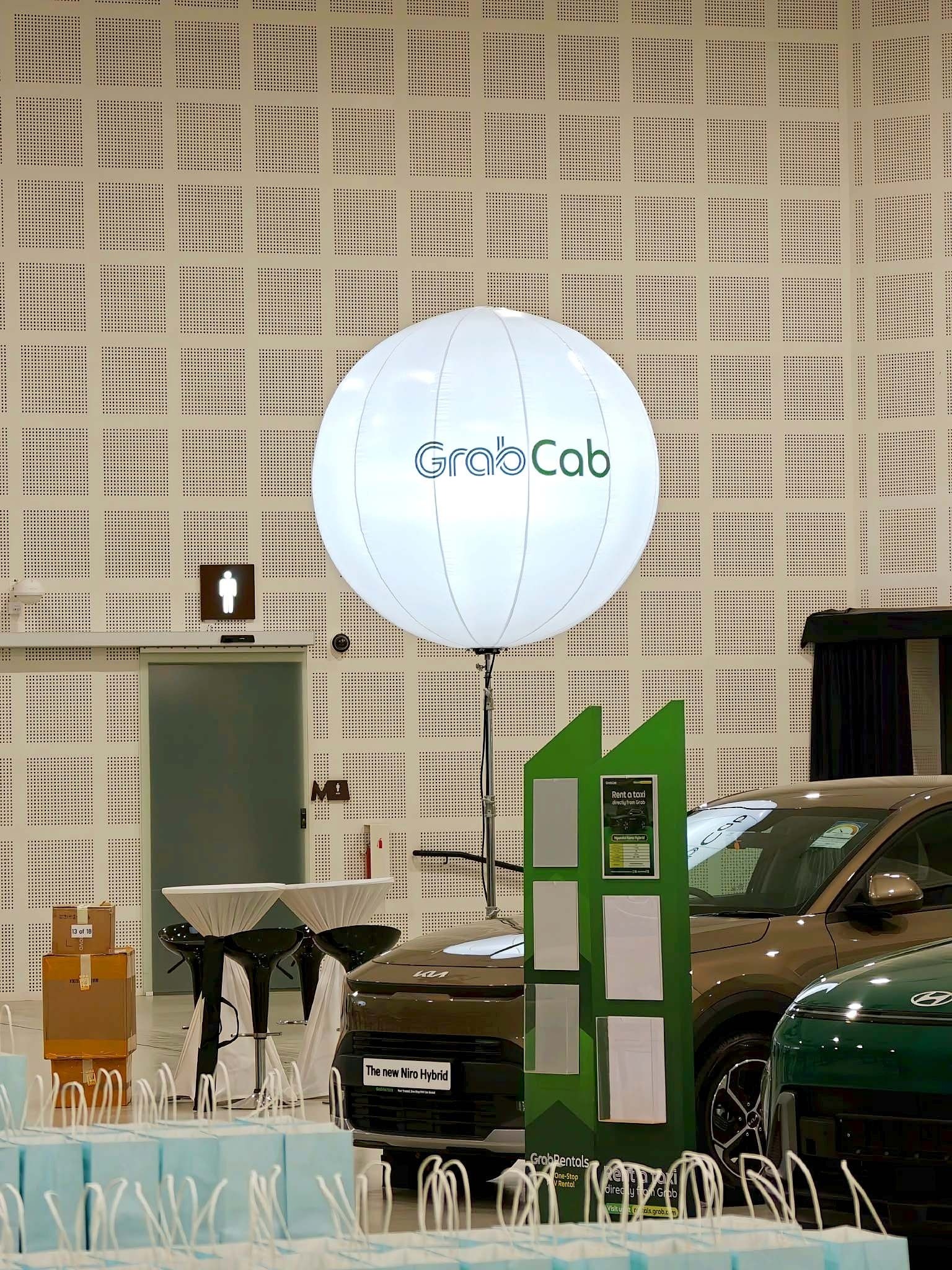
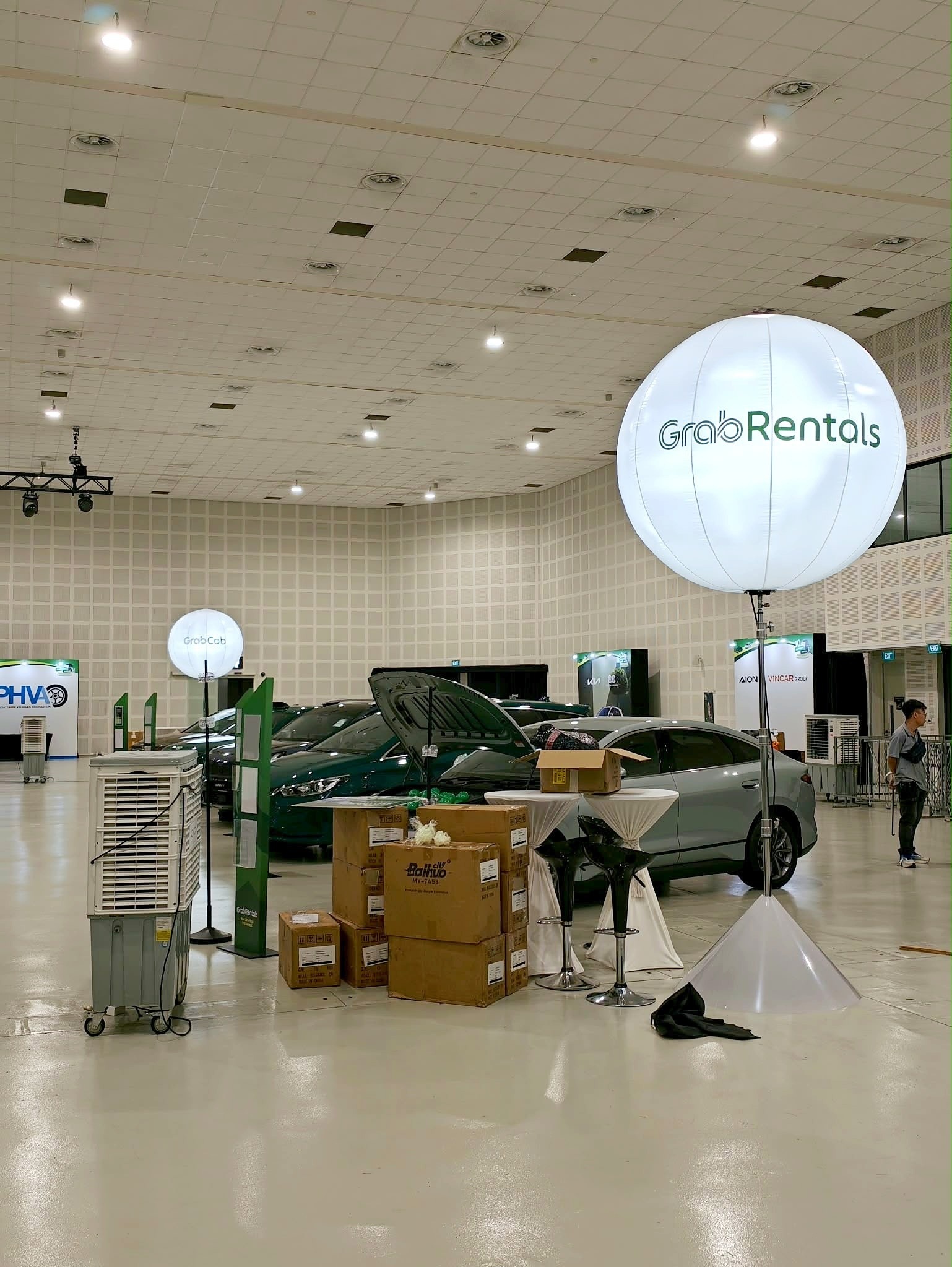
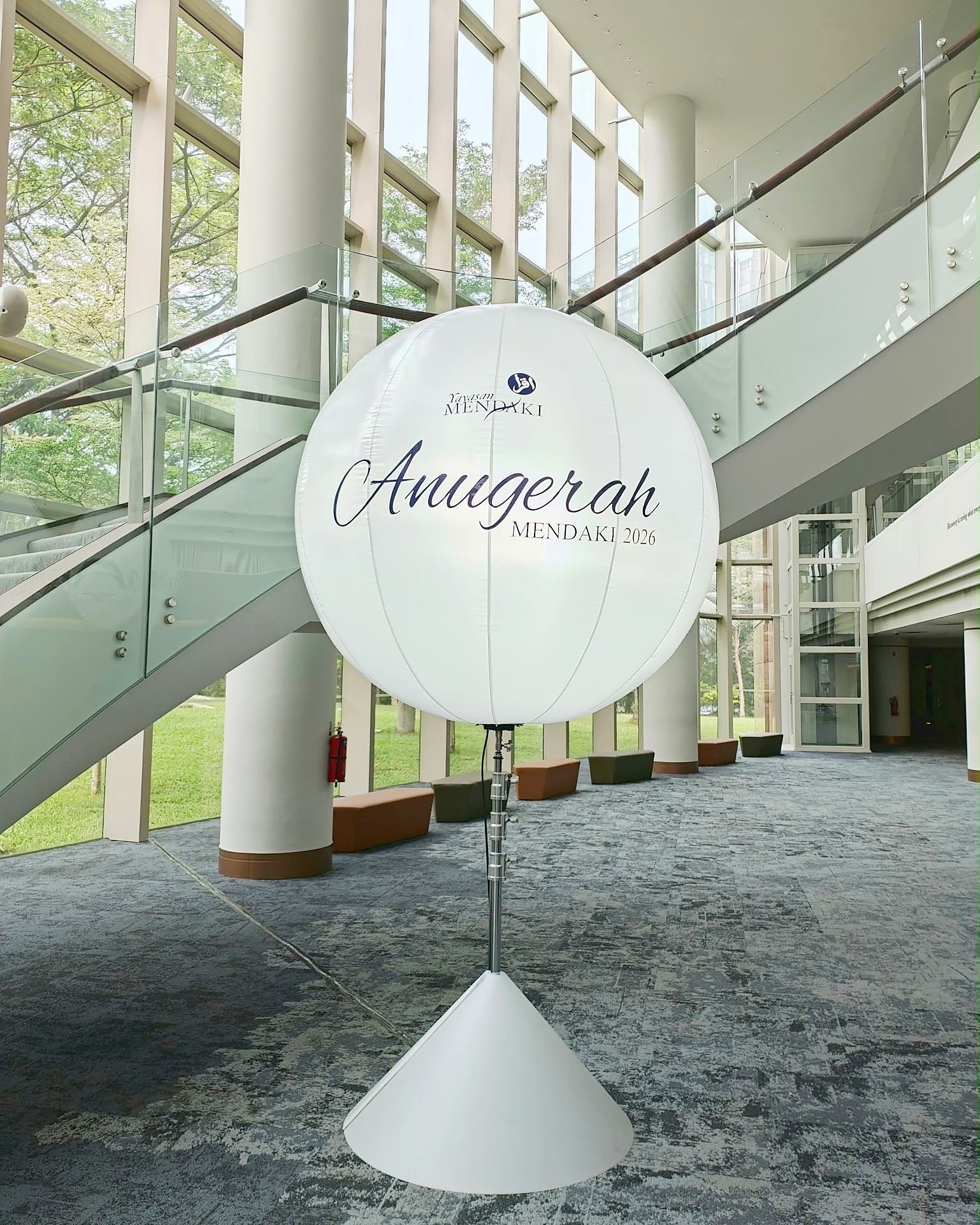
The gallery brings together indoor product displays, a reception hall, a staircase setting and an outdoor lawn. Look at the relationship between the balloon and the background rather than selecting a photograph only because you like the client logo. These examples can help you identify the kind of setting closest to your own.
A useful visual brief for AirGuru
Share the event date, venue, operating hours, final artwork and photographs of the proposed area. Include whether the event continues after dark and whether your priority is the guest’s view, official event photographs or both. If you have an evening reference, also supply a daytime view of your own venue so the team can discuss the difference.
For a wider comparison of the same display category, Big Top’s lighted balloon stand rental service provides another service reference. Keep the discussion focused on the specified equipment and your actual setting; example photographs are references, not a guarantee of identical lighting conditions.
A clear day-and-evening brief makes it easier to agree on a realistic appearance. Choose Lighted Balloon Stands with the complete scene in mind, and review the result under the light in which your guests will actually see it.